Omar Abdullah Draws a Line at August 15 as Cabinet Expansion Speculation Intensifies
By: News Desk | 10 Aug 2026
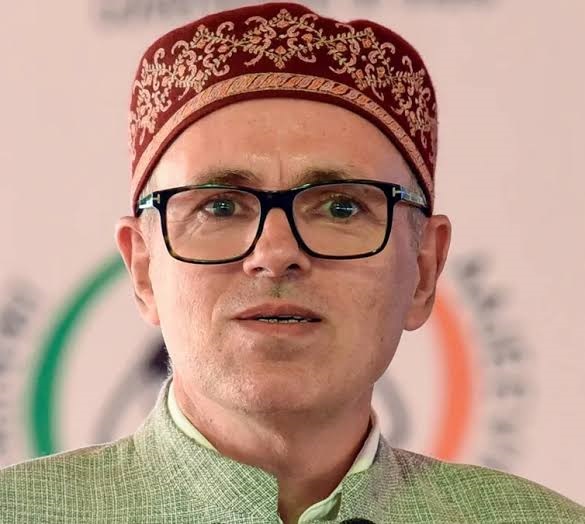
Jammu and Kashmir Chief Minister Omar Abdullah has ruled out a cabinet expansion before Independence Day, effectively putting an immediate pause on months of political speculation over the induction of new ministers and a possible reshuffle of portfolios.
The decision comes at a politically sensitive moment for the National Conference-led government.
For months, the question of cabinet expansion has remained one of the most closely watched internal issues within the ruling establishment. The government has been functioning with fewer ministers than the maximum permitted strength, while political observers have repeatedly speculated about new inductions and changes in ministerial responsibilities.
The latest position from the Chief Minister provides at least a temporary answer: there will be no expansion before August 15.
That does not necessarily mean the issue has been abandoned.
Instead, it creates a political pause at a time when the administration is preparing for Independence Day functions, security arrangements and other government priorities.
Why the J&K Cabinet Expansion Has Become a Political Issue
The cabinet question is not simply about filling vacant ministerial positions.
It carries implications for regional representation, party management, political balance and the distribution of responsibilities within the ruling National Conference government.
Under the Jammu and Kashmir Reorganisation Act, 2019, the Council of Ministers in the Union Territory is capped at 10% of the Assembly’s total strength. With a 90-member Assembly, the maximum Council of Ministers is nine, including the Chief Minister. Earlier reporting noted that the Omar Abdullah government had six ministers, leaving room for three additional members.
That gap has fuelled speculation.
Within the National Conference, several legislators have been viewed as potential contenders for ministerial positions. At the same time, any expansion requires Omar Abdullah to balance competing political expectations.
A cabinet berth can reward organisational loyalty, strengthen a particular region or constituency, and help manage internal political pressures.
But it can also create new problems.
Every induction potentially means another leader expecting influence, a significant portfolio or greater visibility.
That is why cabinet expansion is often as much about political management as administrative restructuring.
Omar Abdullah’s Latest Decision Quashes Immediate Reshuffle Speculation
The Chief Minister’s decision to keep the cabinet unchanged until Independence Day effectively removes one immediate source of political uncertainty.
Rumours of an imminent expansion had circulated for months.
In July, Omar Abdullah himself had indicated that an expansion and reshuffle could take place around the National Conference’s planned Jantar Mantar protest in Delhi, either shortly before or after the event.
That earlier indication showed that the Chief Minister was actively considering the exercise.
The latest decision therefore represents a change in timing rather than evidence that the cabinet question has disappeared.
The political significance lies in the delay.
By keeping the existing arrangement intact through August 15, Abdullah avoids introducing a major internal political development immediately before a nationally significant public event.
Why August 15 Matters for Jammu and Kashmir
Independence Day carries particular administrative and security significance in Jammu and Kashmir.
The government has to coordinate:
- security arrangements;
- official ceremonies;
- public events;
- traffic management;
- VIP movements;
- law-and-order preparedness;
- deployment of security personnel;
- district-level celebrations.
Any cabinet expansion would bring a parallel political storyline into the public arena.
New ministers would immediately attract attention over their portfolios, regional representation and political backgrounds.
A reshuffle could also trigger speculation over why particular ministers were moved, promoted or replaced.
From an administrative perspective, delaying such decisions can therefore provide the government with a quieter political environment during the Independence Day period.
It allows the administration to keep the spotlight on official preparations rather than internal political negotiations.
The Timing Is Also Politically Sensitive for the National Conference
The National Conference is already engaged in an important political campaign over restoration of Jammu and Kashmir’s statehood.
Omar Abdullah and the NC have repeatedly argued that the Union Territory’s elected government should regain full statehood.
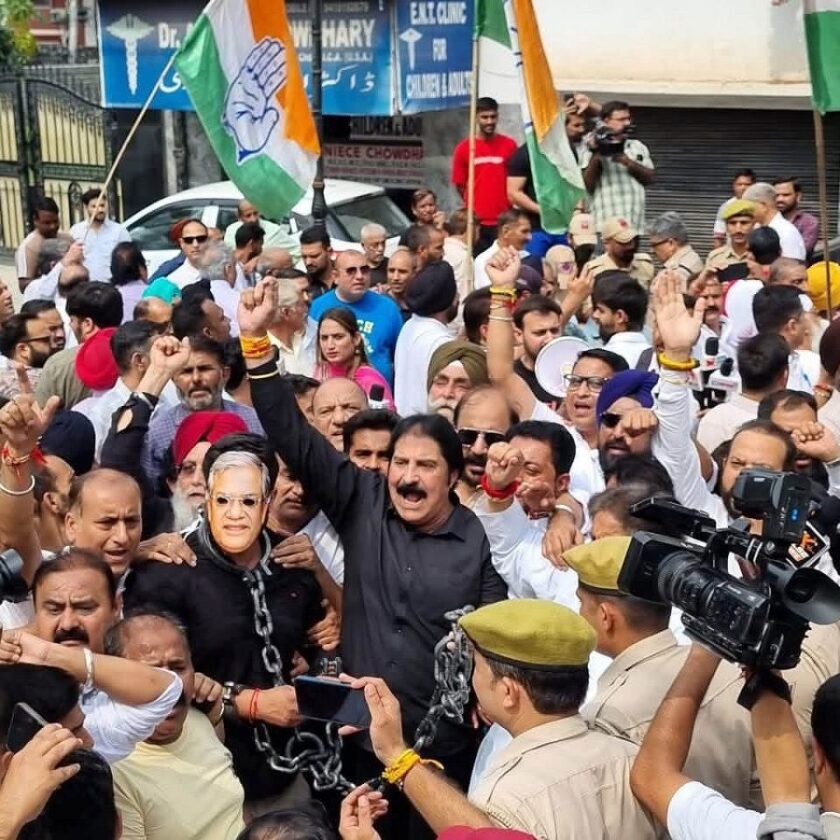
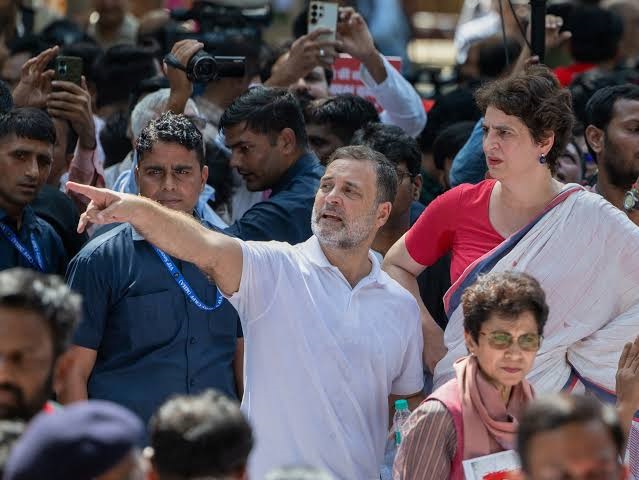
The party took that campaign to New Delhi in July, organising a Jantar Mantar protest demanding restoration of statehood. Reporting at the time also showed that the cabinet expansion question was being discussed alongside the party’s Delhi mobilisation.
That creates an interesting political backdrop.
On one side, the NC is challenging the Centre over J&K’s political status.
On the other, the Chief Minister has to manage the internal functioning of his own government.
A cabinet reshuffle during such a politically charged period could have produced additional distractions.
The August 15 pause therefore gives Abdullah some breathing space.
What Happens Inside the NC After the Delay?
The biggest question is what happens to the legislators who may have been expecting ministerial positions.
A prolonged cabinet vacancy can create political frustration.
MLAs who believe they deserve representation may begin asking why they have been overlooked.
Regional considerations can also become important.
Jammu and Kashmir’s political geography is diverse, and cabinet composition inevitably attracts attention from different regions and constituencies.
A future expansion will therefore have to answer several questions:
Who gets the vacant berths?
With space available under the statutory ceiling, the Chief Minister will have to decide which legislators are brought into the Council.
Which regions receive representation?
Regional balance is likely to remain an important consideration.
Will portfolios change?
An expansion does not necessarily mean simply adding ministers. Portfolio redistribution can also alter the balance of influence inside the government.
Will the move strengthen or complicate the NC?
The purpose of an expansion is generally to strengthen political management.
But if expectations are mishandled, it can produce fresh internal competition.
The BJP Will Be Watching Closely
The cabinet issue also provides an opening for the opposition BJP.
The BJP has already intensified its criticism of the Omar Abdullah government, accusing it of poor governance and unfulfilled promises while expanding its grassroots political activity across J&K.
The opposition can use a delayed cabinet expansion to question whether the government is internally divided or struggling to balance competing political interests.
Whether those claims gain traction will depend on how the NC manages the issue.
For the BJP, the larger objective is clear: turn dissatisfaction with the government’s performance into a broader political narrative.
That makes every internal decision within the ruling party potentially relevant to the opposition campaign.
Cabinet Expansion vs Governance: What Matters to Voters?
For ordinary citizens, however, the cabinet question is unlikely to be the most important political issue by itself.
People are more likely to judge the government through issues such as:
- employment;
- recruitment;
- roads and infrastructure;
- electricity;
- tourism;
- healthcare;
- education;
- inflation and household costs;
- public services;
- economic opportunities.
The government itself has sought to emphasise welfare and development.
Its 2026-27 Budget included measures covering areas such as youth employment, healthcare, rural development, public transport and social welfare.
That means the political value of a cabinet expansion will ultimately depend on whether it improves administrative performance.
Adding ministers without improving delivery would provide the opposition with an easy political target.
A well-managed expansion, on the other hand, could strengthen regional representation and distribute the administrative workload.
Why the Delay Could Actually Help Omar Abdullah
At first glance, postponing the cabinet expansion may appear to be a sign of indecision.
Politically, however, there are arguments in favour of waiting.
It reduces immediate political turbulence
A reshuffle before Independence Day could have generated intense speculation within the NC and among opposition parties.
It keeps the government’s public focus on governance
The administration can concentrate on Independence Day preparations without simultaneously managing a major political reshuffle.
It gives the Chief Minister additional time
Omar Abdullah can use the intervening period to assess political demands and decide which legislators and portfolios best fit the government’s requirements.
It avoids rushed appointments
Cabinet formation is one of the most consequential political decisions available to a Chief Minister.
Waiting can be preferable to making appointments simply to silence immediate pressure.
But Delay Also Carries Risks
The strategy is not without political costs.
The longer the expansion remains pending, the longer speculation continues.
Potential ministers may become increasingly impatient.
Opposition parties may portray the delay as evidence of internal disagreement.
Even within the ruling party, competing expectations can become harder to manage.
This is particularly relevant because earlier reports had already described cabinet expansion as a political challenge for Omar Abdullah, with vacant positions generating expectations within the ruling National Conference.
The Chief Minister therefore faces a delicate balancing act.
Move too quickly, and he risks internal friction.
Wait too long, and speculation itself can become a political problem.
What Could Happen After August 15?
The immediate question is no longer whether an expansion will happen before Independence Day.
That door has effectively been closed.
The bigger question is what happens after August 15.
Several possibilities remain.
Scenario 1: Cabinet expansion
The most straightforward possibility is the induction of new ministers to fill some or all available positions.
Scenario 2: Expansion plus portfolio reshuffle
Omar Abdullah could use the exercise to both induct new faces and redistribute departments among existing ministers.
Scenario 3: Continued delay
The Chief Minister could postpone the exercise further if internal political negotiations remain unresolved.
Scenario 4: Selective expansion
Rather than filling every available position, the government could bring in only a limited number of ministers while retaining flexibility for a later expansion.
The final choice will reveal much about the Chief Minister’s political priorities.
The Bigger Political Picture in J&K
The cabinet issue should be viewed within a much wider political contest.
The National Conference government is attempting to demonstrate that elected rule can deliver governance while simultaneously demanding restoration of statehood.
The BJP is challenging the NC on governance and organisational strength while emphasising nationalism, development and stability.
The PDP and other regional forces are also seeking political space.
Against this background, the cabinet is not merely an administrative body.
Its composition is a visible signal of who has political influence, which regions are represented and how the ruling party intends to manage power.
That is why every potential induction attracts disproportionate political attention.
Independence Day Creates a Temporary Political Pause
Omar Abdullah’s decision to keep the cabinet unchanged until August 15 can therefore be read as a temporary political pause rather than a final decision on cabinet expansion.
The immediate priority is likely to remain Independence Day preparations and the broader administrative and security responsibilities associated with the occasion.
Once the celebrations are over, however, the political calculations will return.
The vacant ministerial positions will remain.
The expectations of legislators will remain.
And the pressure on Omar Abdullah to balance governance with party management will remain.
The cabinet question may therefore disappear from the headlines temporarily, but it is unlikely to disappear from the political agenda.
Conclusion: The Real Test Begins After August 15
For now, Omar Abdullah has chosen stability over reshuffling.
There will be no immediate cabinet expansion before Independence Day, ending speculation about a pre-August 15 political shake-up.
But the decision does not resolve the underlying issue.
The Omar Abdullah government still has to decide how to use the available ministerial space, how to balance competing regional and political expectations, and how to ensure that any future reshuffle improves governance rather than simply rearranging political influence.
For the National Conference, the period after August 15 could therefore become politically important.
The next cabinet expansion—when it comes—will not merely determine who becomes a minister.
It could offer a clearer indication of how Omar Abdullah intends to manage his government, his party and the increasingly competitive political landscape of Jammu and Kashmir.